
Dialectical Behavior Therapy (DBT) is an evidence-based treatment designed to help individuals who experience intense emotions, relationship difficulties, or patterns of distress that feel hard to control. At Daybreak Counseling in Des Moines, DBT is offered as a structured yet compassionate approach that focuses on building practical skills while honoring each person’s lived experience.
DBT is especially effective for individuals who feel overwhelmed by emotions, struggle with impulsive behaviors, or find themselves stuck in cycles of crisis and recovery. Therapy focuses on helping you move toward a life that feels more stable, balanced, and aligned with your values.
Dialectical Behavior Therapy was developed to support individuals who experience emotional sensitivity and difficulty regulating responses to stress. The term “dialectical” reflects DBT’s core philosophy: two things can be true at the same time. You can accept yourself as you are and still work toward meaningful change.
DBT blends cognitive-behavioral strategies with mindfulness and acceptance-based practices. Treatment emphasizes skill-building, self-awareness, and learning how to respond to emotions rather than react to them.

DBT can be helpful for children, adolescents, and adults who experience:
Intense or rapidly changing emotions
Difficulty managing anger or distress
Relationship conflict or fear of abandonment
Self-harm urges or impulsive behaviors
Anxiety, depression, or trauma-related symptoms
Challenges with boundaries or self-worth
DBT is often recommended for individuals who feel that traditional talk therapy hasn’t been enough on its own.
DBT focuses on teaching four main skill areas that can be applied in everyday life.
At Daybreak Counseling, DBT is tailored to meet your unique needs. Clinicians such as Alex B. and Alicia W. provide individual DBT-informed sessions, skills-focused work, or integration with other evidence-based approaches depending on your goals.
Our therapists emphasize safety, collaboration, and respect. DBT is not about judgment or pressure—it’s about learning skills at a pace that feels supportive while building confidence in your ability to manage life’s challenges.
DBT is especially effective for adolescents and young adults who are navigating emotional intensity, identity development, school stress, peer relationships, or family conflict. Therapy supports both emotional growth and practical coping skills during these important developmental years.
When appropriate, caregivers may be included to support skill reinforcement outside of sessions.
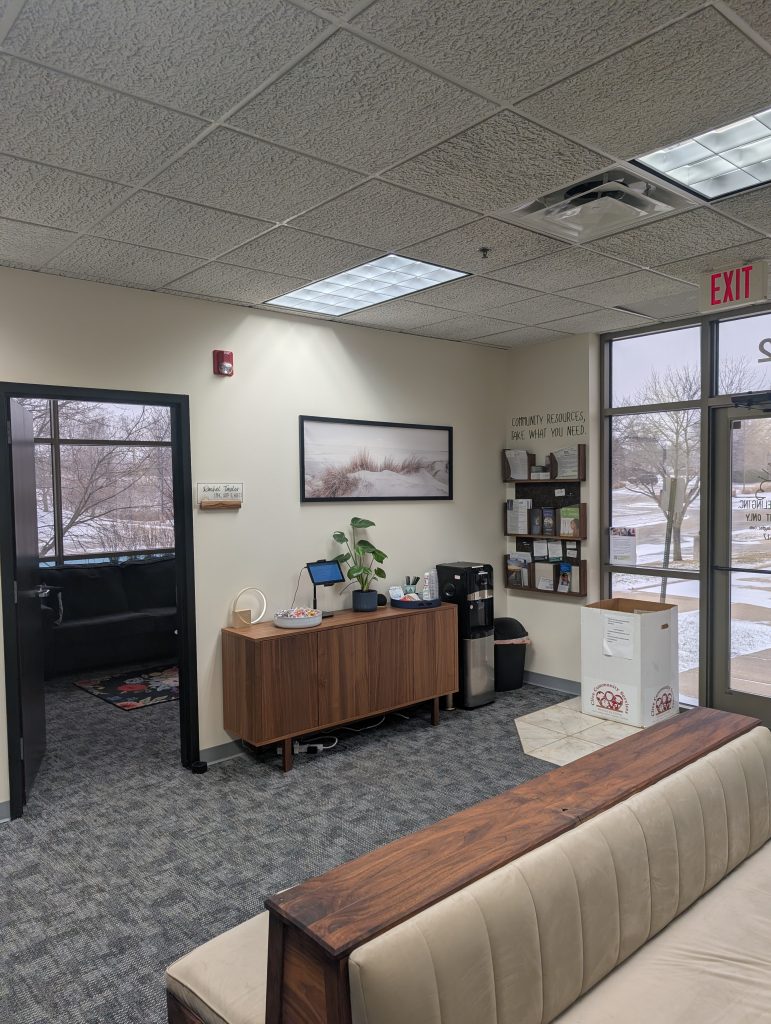
Choosing DBT at Daybreak means working with clinicians who are trauma-informed, client-centered, and deeply invested in helping you feel understood. Our approach balances structure with flexibility, offering real-world tools while honoring your story and strengths.
Whether you are new to therapy or returning after past experiences, DBT can provide a pathway toward greater stability, self-trust, and emotional clarity.
If you are interested in DBT therapy in Des Moines, our team is here to help you take the next step. We’ll work with you to understand your goals, recommend appropriate services, and create a plan that supports lasting change.
You don’t have to navigate intense emotions alone. Support, skills, and growth are possible.